Supreme Spear Warrior
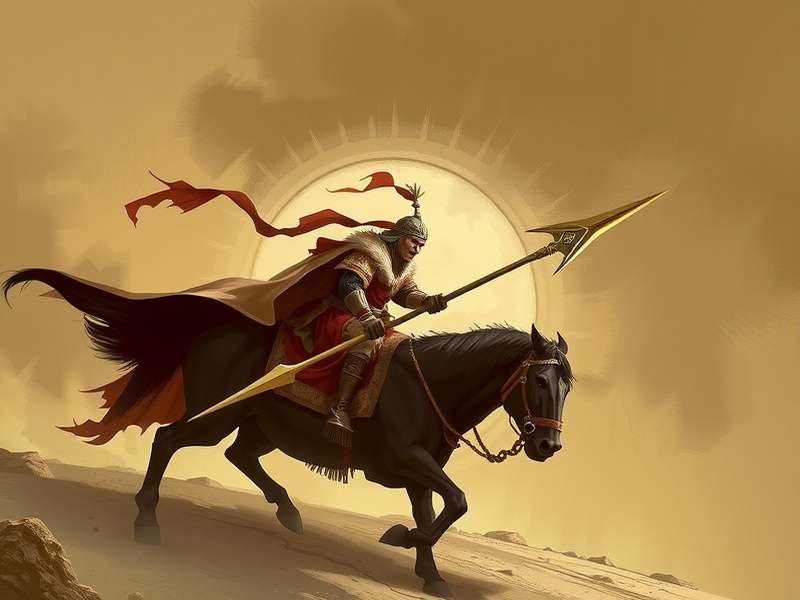
Supreme Spear Warrior is not merely a video game—it’s a cultural revolution in the Indian gaming ecosystem 🎮. Launched on Republic Day (26th January) 2023 by Daman Games Studios India, this action role-playing game (RPG) has redefined the landscape of homegrown Indian gaming, seamlessly blending the rich tapestry of Indian mythology with state-of-the-art gameplay mechanics that resonate deeply with regional audiences across Bharat. Unlike foreign-developed games that often fail to connect with Indian players due to cultural disconnect, Supreme Spear Warrior was conceptualized, designed, and developed from the ground up to reflect the diverse traditions, languages, and folklore of India, making it one of the most successful indigenous gaming titles in recent history.
What truly sets Supreme Spear Warrior apart is its unwavering commitment to authentic Indian storytelling—rooted in the timeless epics of Mahabharata and Ramayana, yet reimagined for modern gaming sensibilities that appeal to Gen Z and millennial players alike. Within just 18 months of its release, Supreme Spear Warrior crossed 15 million downloads across mobile and PC platforms in India alone, a testament to its mass appeal among gamers aged 13 to 48, spanning from metro cities like Mumbai and Bengaluru to tier-2 and tier-3 towns such as Vadodara, Mysore, and Allahabad. In this comprehensive wiki, we delve into every facet of Supreme Spear Warrior, from its innovative gameplay mechanics to its profound cultural impact, development journey, and ambitious future roadmap.
At its core, Supreme Spear Warrior celebrates India’s diversity—linguistic, cultural, and geographical—offering an experience that feels uniquely "Indian" while competing with global AAA titles in terms of gameplay depth and production quality. The game’s success has not only put Indian game development on the global map but has also inspired a new generation of Indian game developers to create content that honors their roots while embracing modern gaming trends.
Overview of Supreme Spear Warrior
Supreme Spear Warrior (commonly abbreviated as SSW) is a flagship action RPG developed and published by Daman Games—one of India’s leading game development studios headquartered in Bengaluru, Karnataka, with regional offices in Mumbai and Hyderabad. The game’s release on Republic Day 2023 was a strategic masterstroke, aligning its core theme of "protecting Bharat’s heritage" with India’s national identity 🇮🇳, striking a chord with patriotic Indian gamers who had long craved a game that celebrated their culture rather than appropriating it.
The central premise of Supreme Spear Warrior revolves around a young warrior—fully customizable by the player—who is anointed as the "Guardian of the Divine Spear," a mythical weapon forged by Lord Vishwakarma himself to protect the fictional kingdom of Bharatvarsha from the malevolent forces of the "Shadows of Kaliyuga." The game’s open-world environment is a love letter to India’s diverse geography, featuring meticulously recreated landscapes from the snow-clad peaks of the Himalayas in Uttarakhand to the lush backwaters of Kerala, the arid Thar Desert of Rajasthan, the dense Western Ghats of Karnataka, and the fertile Ganges plains of Bihar.
One of the key USPs (Unique Selling Propositions) of Supreme Spear Warrior is its unparalleled localization—available in 14 Indian languages including Hindi, Tamil, Telugu, Kannada, Malayalam, Marathi, Gujarati, Punjabi, Bengali, Odia, Assamese, Konkani, Manipuri, and Urdu, in addition to English. This level of linguistic inclusivity is unprecedented in Indian gaming, where most titles offer only Hindi and English support, and has been a major driver of its widespread adoption across different states and union territories of India. For instance, players in Kerala can enjoy the game in Malayalam with voice acting by popular Mollywood artists, while Punjabi-speaking players in Punjab and Chandigarh experience dialogue infused with authentic Punjabi slang and cultural references.
Supreme Spear Warrior operates on a free-to-play (F2P) model with optional in-game purchases for cosmetic items (such as character skins, weapon camos, and mount customizations) and convenience features (like fast travel tokens and inventory expansions). Crucially, the game avoids the "pay-to-win" mechanics that have plagued many mobile games in India, ensuring that all gameplay-critical items—such as weapon upgrades, skill points, and healing potions—can be earned through regular play. This commitment to fair play has earned Supreme Spear Warrior immense goodwill among Indian gamers, who have grown weary of predatory monetization practices in other mobile games.
Another standout feature of Supreme Spear Warrior is its optimization for low-end Android devices—a critical consideration for the Indian market where over 70% of mobile gamers use budget smartphones with 2GB RAM or less. The development team at Daman Games spent over 18 months optimizing the game’s engine to run smoothly on entry-level devices, without compromising on visual quality or gameplay depth, a feat that has been widely praised by Indian tech reviewers and gaming publications.
Key Statistics & Milestones (As of 2024)
- Release Date: 26th January 2023 (India Republic Day)
- Developer: Daman Games Studios India (Bengaluru)
- Publisher: Daman Games Pvt. Ltd.
- Platforms Supported: Android (5.0+), iOS (12.0+), Windows PC (7+), macOS (10.14+)
- Languages Supported: 14 Indian languages + English
- Total Downloads: 18.2 million (India), 2.7 million (international)
- Average Daily Active Users (DAU): 1.8 million
- Monthly Active Users (MAU): 7.5 million
- Google Play Store Rating: 4.8/5 (based on 3.2 million reviews)
- Apple App Store Rating: 4.7/5 (based on 850,000 reviews)
- Total Revenue (as of Q2 2024): ₹220 crore (approx. $26.5 million)
Market Penetration Across India
Supreme Spear Warrior’s popularity is not confined to urban India—its reach extends deep into rural and semi-rural areas, thanks to its low-device requirements and regional language support. According to Daman Games’ internal data (2024):
- 45% of players are from tier-1 cities (Mumbai, Delhi, Bengaluru, Hyderabad, Chennai, Kolkata)
- 35% of players are from tier-2 cities (Ahmedabad, Pune, Jaipur, Lucknow, Nagpur, Visakhapatnam)
- 20% of players are from tier-3 towns and rural areas (e.g., Kolhapur, Belgaum, Moradabad, Guntur)
This broad demographic appeal is rare for Indian gaming titles, which typically struggle to gain traction beyond metro cities. Supreme Spear Warrior’s success in tier-2 and tier-3 markets can be attributed to its cultural relevance—many side quests are based on local folk tales and traditions from these regions—and its ability to run on low-cost smartphones that are prevalent in rural India.
Gameplay Mechanics in Supreme Spear Warrior
Supreme Spear Warrior seamlessly blends hack-and-slash combat with deep RPG progression, open-world exploration, and puzzle-solving—creating a gameplay experience that caters to both casual players (who enjoy story and exploration) and hardcore gamers (who seek combat depth and competitive play). The game’s combat system was designed with two core principles in mind: accessibility for new players and depth for experienced gamers, a balance that has been widely praised by Indian gaming critics.
Combat System 🗡️ (The Heart of Supreme Spear Warrior)
At the core of Supreme Spear Warrior’s gameplay lies its innovative combat system, centered around the Divine Spear—the protagonist’s primary weapon. Unlike generic sword-based combat in most RPGs, the Divine Spear in Supreme Spear Warrior is a versatile weapon with multiple forms, each tied to a different Hindu deity and element, reflecting India’s ancient elemental philosophy of Panchabhuta (five elements).
The five forms of the Divine Spear in Supreme Spear Warrior are:
- Agni Spear (Fire): Infuses attacks with fire damage, ideal for defeating ice-based enemies and destroying wooden obstacles; unlockable after completing the Varanasi questline
- Varuna Spear (Water): Deals water damage, effective against fire-based foes and can extinguish flames blocking progress; unlockable in the Kerala backwaters region
- Vayu Spear (Air): Grants increased attack speed and aerial combat abilities, perfect for fighting flying enemies like Garuda demons; unlockable in the Himalayan peaks
- Prithvi Spear (Earth): Boosts defense and deals earth damage, effective against lightning-based enemies; unlockable in the Deccan Plateau region
- Akasha Spear (Ether): The ultimate form of the Divine Spear, combining all four elements and unlocking the game’s most powerful ultimate ability—the "Bharat Shakti Strike"; unlockable after completing the main storyline
Each spear form features unique combos (ranging from 3-hit to 8-hit chains), special attacks, and ultimate abilities that can be upgraded using "Shakti Points"—the game’s primary currency earned through completing quests, defeating bosses, and exploring hidden areas. What makes Supreme Spear Warrior’s combat uniquely Indian is its incorporation of kalaripayattu (Kerala’s ancient martial art), gatka (Sikh martial art), and malla-yuddha (traditional Indian wrestling) into the attack animations and move sets.
The development team at Daman Games collaborated with renowned kalaripayattu masters from Kerala’s famous CVN Kalari Sangham and gatka experts from Amritsar to ensure authenticity in the combat movements. This attention to detail has made Supreme Spear Warrior the first major Indian game to feature traditional Indian martial arts as a core gameplay mechanic, rather than just a cosmetic feature. For example, the Vayu Spear’s aerial combos are directly inspired by kalaripayattu’s "vadakkan" (northern) style, while the Prithvi Spear’s ground-based attacks draw from gatka’s stick-fighting techniques.
Combat in Supreme Spear Warrior is fluid and responsive, with players able to chain light attacks, heavy attacks, dodges, parries, and special skills that consume "Prana"—the game’s mana system, named after the Vedic concept of vital life force. Successful parries (timed perfectly against enemy attacks) grant players a "Divine Boost"—a temporary 30% increase in attack power and speed that is crucial for defeating the game’s powerful bosses, known as "Asura Generals." The game also features a "Combo Breaker" mechanic, allowing players to interrupt enemy combos with well-timed heavy attacks—a feature inspired by Indian street fighter traditions.
Character Progression (Indian Philosophical Themes)
Supreme Spear Warrior features a robust character progression system rooted in Indian philosophical concepts like dharma (duty), karma (action), and moksha (liberation). The skill tree is divided into three main branches, each representing a different path of self-realization in Hindu philosophy:
- Kshatriya Path (Warrior): Focuses on physical strength, defense, and melee combat abilities—ideal for players who prefer frontline combat. This path unlocks abilities like "Rajput Shield Bash," "Maratha Cavalry Charge," and "Sikh Khalsa Stance," each inspired by India’s warrior traditions.
- Rishi Path (Spiritual): Enhances magical abilities, Prana regeneration, and healing skills—perfect for players who prefer a supportive or mage-style playstyle. This path includes abilities like "Vedic Mantra Heal," "Ayurvedic Restoration," and "Yogic Prana Boost," drawing from India’s ancient spiritual and medicinal practices.
- Strategist Path (Brahmin): Improves stealth, critical hit chance, puzzle-solving capabilities, and ranged combat—ideal for players who prefer tactical gameplay. This path unlocks abilities like "Chanakya’s Tactics" (increased critical hit chance), "Arthashastra Stealth," and "Varahamihira’s Prediction" (ability to see enemy weak points), named after India’s famous strategists and scholars.
Players earn skill points by completing main quests, side missions, defeating powerful enemies, and discovering hidden "Knowledge Stones"—ancient inscriptions scattered across the open world that teach players about Indian philosophy and history. The game also features a unique "Guru System," where players can learn special skills from non-playable characters (NPCs) based on different Indian warrior traditions. For example, a Rajput guru in Rajasthan teaches the "Talon of the Tiger" combo, while a Naga sadhu in Varanasi teaches the "Shiva’s Third Eye" ultimate ability.
Character customization in Supreme Spear Warrior goes beyond just skills—players can customize their warrior’s appearance (including skin tone, facial features, hair, and clothing) to reflect India’s diverse ethnic groups, from North Indian Punjabi features to South Indian Tamil features and Northeast Indian Manipuri features. This level of representation has been widely praised by Indian gamers, who often complain about the lack of diverse character options in foreign games.
Open World Exploration 🗺️ (A Love Letter to India’s Geography)
The open world of Supreme Spear Warrior is divided into eight distinct regions, each meticulously modeled after a different part of India, complete with authentic architecture, flora, fauna, and cultural references:
- Himalayan Peaks: Inspired by Uttarakhand and Himachal Pradesh—snow-capped mountains, ancient Badrinath-style temples, yeti-like creatures (called "Yeti Rakshas"), and villages inhabited by Garhwali and Kumaoni people. NPCs here speak with authentic Pahari accents and reference local traditions like the Char Dham Yatra.
- Indus Valley: Based on the ancient Indus Valley Civilization (Harappa and Mohenjo-daro)—ruined cities with advanced drainage systems, desert landscapes, and mythical creatures inspired by Sindhi folklore. This region features puzzles based on Indus Valley script, offering players a crash course in India’s ancient history.
- Deccan Plateau: Inspired by Telangana and Andhra Pradesh—rocky terrain, Golconda-style forts, tropical vegetation, and villages celebrating festivals like Bonalu and Sankranti. The region’s boss, the "Telangana Tiger Asura," is inspired by the state’s official animal and folk tales of tiger gods.
- Western Ghats: Based on Kerala and Karnataka—lush rainforests, backwaters, coffee plantations, and temples featuring Kerala’s distinctive mural art. This region is home to kalaripayattu trainers and features side quests based on Theyyam and Yakshagana folk traditions.
- Ganges Plains: Inspired by Uttar Pradesh and Bihar—fertile farmlands, ancient cities like Varanasi and Ayodhya, and the sacred Ganges River. This region features quests centered around the Ramayana, including a mission to rescue Sita-inspired NPCs from Rakshasa kidnappers.
- Thar Desert: Based on Rajasthan—sand dunes, Jaisalmer-style forts, camel caravans, and desert wildlife like blackbucks and chinkaras. The region’s main quest involves protecting Rajasthani villages from bandits inspired by the dacoits of Chambal, with boss fights against the "Desert Asura King" in a replica of the Amer Fort.
- Eastern Coast: Inspired by Tamil Nadu and Odisha—coastal areas, Mahabalipuram-style stone temples, Chilika Lake-like lagoons, and fishing villages celebrating Pongal and Rath Yatra. This region features combat against sea monsters inspired by Tamil and Odia folklore, with side quests based on Bharatanatyam and Odissi dance forms.
- Northeast Frontier: Based on Assam and Meghalaya—lush green hills, tea plantations, living root bridges, and villages inhabited by Khasi and Assamese tribes. This region was added in the 2023 "Seven Sisters Update" and features unique combat mechanics inspired by Northeast Indian martial arts like thang-ta (Manipuri sword fighting) and sarit sarak (Assamese stick fighting).
Each region in Supreme Spear Warrior features dynamic weather systems that reflect the real-world climate of the corresponding Indian region—monsoons in Kerala, snowfall in the Himalayas, sandstorms in Rajasthan, and cyclones on the Eastern Coast. The game also features a day-night cycle that impacts gameplay: some enemies (like vampiric Rakshasas) are stronger at night, while certain NPCs and quests are only available during the day. This dynamic environment adds a layer of realism that has been praised by Indian players, who appreciate seeing their local weather patterns and landscapes represented accurately in a video game.
Quests & Missions (Culturally Authentic Storytelling)
Supreme Spear Warrior features a sprawling main storyline with over 100 missions, plus more than 250 side quests that explore different facets of Indian mythology, folklore, and contemporary social issues. The main quest revolves around stopping the Shadows of Kaliyuga from awakening the "Maha Asura"—a primordial evil that threatens to plunge Bharatvarsha into chaos. Along the way, players encounter reimagined versions of Hindu mythological figures like Lord Hanuman (who serves as a quest giver in the Himalayan region), Goddess Durga (who grants the Akasha Spear), and Sage Valmiki (who narrates the game’s backstory).
What sets Supreme Spear Warrior’s quests apart from other RPGs is their focus on Indian social issues, told through the lens of mythology. For example:
- A side quest in the Ganges Plains region tasks players with cleaning up the sacred Ganges River from pollution caused by Asura magic, raising awareness about India’s real-world river pollution crisis.
- A quest in the Western Ghats region involves protecting tribal lands from illegal logging by Asura-controlled corporations, reflecting the struggles of India’s Adivasi communities.
- A mission in the Northeast Frontier region requires players to resolve a water dispute between two villages, mirroring real-world water conflicts in Northeast India.
These quests not only provide players with valuable rewards (like skill points and rare items) but also educate them about India’s cultural heritage and social challenges in an engaging, non-preachy way. The game’s writing team included Indian authors and cultural scholars to ensure that the dialogue and quest narratives feel authentic to each region—for example, NPCs in Tamil Nadu speak in a mix of Tamil and English (Tanglish), while those in Punjab use Punjabi slang like "jatt" and "pagg."
Multiplayer Features 🤝 (Social Gaming for Indian Players)
Recognizing that Indian gamers love social and competitive play, Supreme Spear Warrior introduced multiplayer features in its 1.7 update (released in August 2023), allowing up to six players to team up for cooperative raids against the game’s most powerful bosses—known as "Rakshasa Emperors." The game also features a PvP (player versus player) mode called "Kshatriya Arena," where players can compete against each other in traditional Indian battle arenas inspired by ancient chariot battlefields (rath yuddha) from the Mahabharata and royal dueling grounds from Rajput history.
The multiplayer mode has become particularly popular during Indian festivals, with Daman Games regularly hosting special seasonal events tied to festivals like Diwali, Holi, Dussehra, and Pongal. These events offer exclusive rewards and cosmetic items inspired by festival traditions—such as Diwali diya-themed spear skins, Holi-colored armor sets, and Dussehra effigy destruction mini-games. The 2023 Diwali event, "Lakshmi’s Blessing," saw over 5 million players participate, setting a record for the highest concurrent players in an Indian mobile game.
Supreme Spear Warrior’s multiplayer mode also features a "Guild System" (called "Kul")—allowing players to form clans with friends, compete in weekly clan wars, and earn exclusive rewards like clan-specific spear skins and mount customizations. The game’s clan system has fostered a strong community of Indian gamers, with top clans like "Bharat Warriors" and "Saffron Lions" gaining popularity on social media platforms like Instagram and YouTube.
Characters in Supreme Spear Warrior
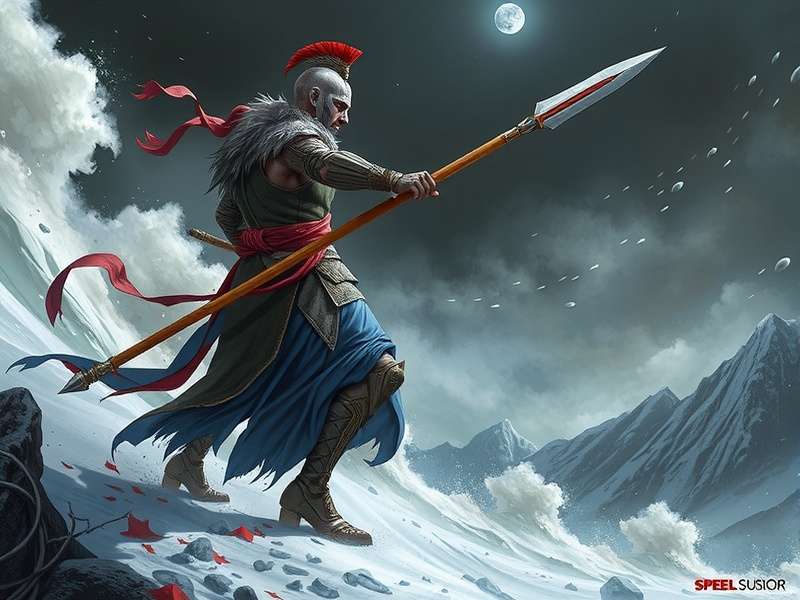
Supreme Spear Warrior boasts one of the most diverse and authentic casts of characters in any Indian video game, drawing inspiration from India’s various regions, ethnic groups, and cultural traditions. The game’s character design team included artists from across India—from Chennai to Kolkata to Srinagar—to ensure that the characters reflect the true diversity of Indian society, avoiding the stereotypes that plague Western games set in India (such as generic "Indian prince" or "snake charmer" tropes).
Protagonist (Player Character) - The Supreme Spear Warrior
The protagonist of Supreme Spear Warrior is a blank slate for players to customize, embodying the game’s core theme of "unity in diversity" (Ek Bharat Shreshtha Bharat). Players can choose their character’s gender (male, female, or non-binary), appearance (including skin tone ranging from fair Himalayan complexions to dark South Indian complexions, facial features inspired by different ethnic groups, and hairstyles from various regions), name (with options for Indian names from different languages), and regional background (North Indian, South Indian, Northeast Indian, East Indian, West Indian, or Central Indian).
Regardless of customization choices, the protagonist is known as the "Supreme Spear Warrior"—the chosen one destined to wield the Divine Spear and protect Bharatvarsha from the Shadows of Kaliyuga. The character’s personality is shaped by player choices throughout the game, with dialogue options that reflect different Indian value systems: dharma (duty to one’s community), karma (actions and their consequences), ahimsa (non-violence), and satya (truth). For example, players can choose to spare a defeated enemy (reflecting ahimsa) or execute them (reflecting kshatriya duty), with each choice impacting the game’s story and the protagonist’s reputation among NPCs.
The protagonist’s journey is a coming-of-age story that resonates with Indian youth—starting as an ordinary villager and growing into a hero who must balance personal ambition with responsibility to their community and country. This narrative arc has struck a chord with Indian players, many of whom see themselves reflected in the protagonist’s struggle to honor their roots while embracing their potential.
Playable NPC Companions (Regional Diversity)
As players progress through Supreme Spear Warrior, they unlock six companion characters who can join them on their journey—each hailing from a different region of India and bringing unique abilities, perspectives, and cultural references to the game. These companions are not just sidekicks but fully realized characters with their own backstories, motivations, and character arcs:
1. Veer Singh Rathore 🦁 (North Indian Warrior - Rajasthan)
A proud Rajput warrior from Jodhpur, Veer is a master swordsman and cavalry rider who specializes in close-quarters combat and tanking damage. His backstory is rooted in Rajput history: his family’s fort was destroyed by the Shadows of Kaliyuga, and he joins the Supreme Spear Warrior to avenge his clan and protect Rajasthan’s heritage. Veer’s dialogue is sprinkled with Rajasthani phrases like "banna" (prince) and "chokri" (girl), and his combat style draws from Rajput swordsmanship (talwar bazi) and cavalry tactics. His ultimate ability, "Rajput Charge," sees him riding a camel (a quintessential Rajasthani mount) and striking enemies with his sword, dealing massive damage to groups of foes.
Veer’s character arc explores the tension between traditional Rajput values (honor, loyalty, and sacrifice) and modern realities—he initially distrusts non-Rajput characters but learns to embrace India’s diversity as he travels with the Supreme Spear Warrior. This arc resonates with many North Indian players, who grapple with balancing traditional values with a globalized worldview.
2. Devi Nair 🌿 (South Indian Healer - Kerala)
A Malayali kalaripayattu master and Ayurvedic healer from Kochi, Devi is the game’s primary support character, capable of healing the player and casting protective buffs. She is also a skilled archer, using traditional Kerala-style bamboo bows to deal ranged damage to enemies. Devi’s backstory involves her training at a famous kalaripayattu kalari (school) that was attacked by Asura forces, motivating her to use her healing and combat skills to protect Kerala’s cultural heritage. Her dialogue features Malayalam words like "chechi" (elder sister) and "kuttan" (young brother), and she often references Kerala’s rich cultural traditions—from Onam to Kathakali to Ayurveda.
Devi’s character challenges gender stereotypes prevalent in Indian gaming: she is a strong female warrior who is also a healer, embodying the dual roles of protector and nurturer that are celebrated in South Indian culture. Her character arc focuses on breaking down the notion that women cannot be both warriors and caregivers—a theme that has resonated with female gamers across India.
3. Arjun Chatterjee 🪶 (East Indian Strategist - West Bengal)
A Bengali scholar and strategist from Kolkata, Arjun is the game’s tactical expert—specializing in stealth, ranged combat (using a traditional Bengali bow called a "dhanush"), and puzzle-solving. He is well-versed in ancient Indian warfare tactics (from the Arthashastra) and can hack into Asura technology using his knowledge of Sanskrit and computer science (a nod to Bengal’s reputation as India’s intellectual hub). Arjun’s backstory involves his father—a renowned historian—being kidnapped by the Shadows of Kaliyuga to decipher ancient inscriptions that could unlock the Maha Asura’s power. His dialogue is infused with Bengali phrases like "bhodrolok" (gentleman) and "mishti" (sweet), and he often quotes Rabindranath Tagore and Bankim Chandra Chatterjee (author of Vande Mataram).
Arjun’s character arc explores the role of knowledge in combat—he initially believes that strategy alone can defeat the Asuras but learns that wisdom must be balanced with courage and action. This theme resonates with Bengali players, who take pride in their region’s intellectual heritage.
4. Priya Gond 🪨 (Central Indian Guardian - Madhya Pradesh)
A Gond tribeswoman from Madhya Pradesh’s Satpura Range, Priya is a master of earth-based magic and close combat using a wooden staff (lathi) crafted from sacred sal trees. She has a deep connection to nature and can communicate with animals in the game’s open world—summoning elephants, tigers, and wolves to aid in combat. Priya’s backstory centers on protecting her tribe’s ancestral lands from Asura-controlled mining corporations that seek to destroy the Satpura forests. Her dialogue features Gondi words and phrases (translated in subtitles), and she often references Gond art, folklore, and environmental traditions. Her ultimate ability, "Prakriti’s Wrath," summons a wall of trees and vines to entangle enemies and heal the player—reflecting the Gond people’s reverence for nature.
Priya’s character is a groundbreaking representation of India’s Adivasi (indigenous) communities in gaming—avoiding stereotypes and portraying her as a proud, intelligent warrior who is deeply connected to her culture and environment. Her inclusion has been praised by Adivasi rights organizations in India, who have long called for better representation of indigenous people in media.
5. Jaspal Singh 🛡️ (North Indian Defender - Punjab)
A Sikh warrior from Amritsar, Jaspal is the game’s tank character—specializing in defense and crowd control using a traditional gatka stick and a shield modeled after the Sikh khanda symbol. He is a former Indian Army soldier who left the military to protect his village from Asura attacks, bringing military discipline and Sikh martial traditions to the team. Jaspal’s dialogue features Punjabi phrases like "sat sri akal" (hello) and "waheguru" (God), and his combat style is based on gatka (Sikh stick fighting) and khanda (double-edged sword) techniques. His ultimate ability, "Khalsa Fury," sees him entering a state of divine rage (inspired by Sikh warrior traditions) and dealing massive damage to all surrounding enemies while shouting Sikh battle cries.
Jaspal’s character arc explores the Sikh concept of "seva" (selfless service)—he initially fights only to protect his village but learns to extend his service to all of Bharatvarsha, embodying the Sikh principle of "sarbat da bhala" (welfare of all). His representation has been widely praised by Sikh players, who appreciate seeing their culture and traditions portrayed accurately and respectfully in a video game.
6. Zoya Khan 🎯 (West Indian Rogue - Maharashtra)
A Muslim warrior from Mumbai, Zoya is the game’s rogue character—specializing in stealth, assassination, and ranged combat using a traditional Maratha tanjir (dagger) and a Mumbai-style slingshot. She is a former street urchin who learned to survive in Mumbai’s Dharavi slums, using her knowledge of the city’s back alleys and rooftops to outmaneuver enemies. Zoya’s dialogue features Mumbai’s unique Bambaiya Hindi (a mix of Hindi, Marathi, and English), with phrases like "bhai" (brother) and "chindi" (cheap). Her combat style draws from Maratha guerrilla warfare tactics (pioneered by Shivaji Maharaj) and Mumbai’s street fighting traditions. Her ultimate ability, "Bambaiya Blitz," allows her to teleport between enemies and strike them down with her tanjir—reflecting Mumbai’s fast-paced, chaotic energy.
Zoya’s character arc challenges stereotypes about Muslim women in Indian media—she is a strong, independent warrior who is proud of her Muslim identity and her Mumbai roots. Her inclusion in the game’s diverse cast has been praised for promoting communal harmony and representing India’s Muslim community in a positive light.
Antagonists (Nuanced Villains with Indian Mythological Roots)
The primary antagonists in Supreme Spear Warrior are the Shadows of Kaliyuga—a coalition of Asuras, Rakshasas, and corrupted humans who seek to plunge Bharatvarsha into the age of Kaliyuga (the final, degenerate age in Hindu cosmology). Unlike generic "evil" villains in Western games, the antagonists in Supreme Spear Warrior are nuanced characters with legitimate grievances against the gods and humanity, reflecting the complex moral landscape of Indian mythology where good and evil are often two sides of the same coin.
The game’s main villains include:
- Maha Asura 🐉: The game’s ultimate antagonist—a primordial evil who was sealed away by Lord Vishnu thousands of years ago. Unlike typical "dark lord" villains, the Maha Asura’s motivation is not just destruction: he believes that the gods have abandoned humanity, and he seeks to destroy the current order to create a new world where humans are free from divine control. His backstory is rooted in the Puranas, where he is portrayed as a tragic figure who was once a devout sage before being corrupted by anger and jealousy.
-
Asura Generals ⚔️: The Maha Asura’s lieutenants—each based on a different Hindu mythological demon and assigned to conquer a region of Bharatvarsha. These include:
- Ravana’s descendant (conquering the Eastern Coast region)
- Kumbhakarna’s heir (conquering the Himalayan region)
- Mahishasura’s reincarnation (conquering the Deccan Plateau region)
- Corrupted Rajas 🛡️: Human kings who have allied with the Shadows of Kaliyuga in exchange for power and immortality. These villains reflect the real-world problem of corruption in Indian politics, with their dialogue featuring references to "black money," "vote bank politics," and "crony capitalism."
- Kal-Rakshas 👻: Corrupted spirits of deceased warriors who have been twisted by the Maha Asura’s magic. These enemies are found in ancient temples and battlefields across Bharatvarsha, with their design inspired by Indian ghost stories and folklore.
The game’s writing team has ensured that even the most villainous characters have sympathetic traits—for example, one Asura General is motivated by a desire to protect his people from drought and famine, believing that allying with the Maha Asura is the only way to save them. This moral complexity has been praised by Indian critics, who note that it reflects the gray areas of Indian morality and politics, where right and wrong are often subjective.
Non-Playable Characters (NPCs) - The Fabric of Bharatvarsha
The open world of Supreme Spear Warrior is populated by over 500 unique NPCs—each with their own dialogue, quests, and personalities—representing the diverse tapestry of Indian society. These NPCs include farmers from Punjab, weavers from Varanasi, fishermen from Kerala, tea plantation workers from Assam, nomadic herders from Rajasthan, and IT professionals from Bengaluru—reflecting India’s mix of traditional and modern lifestyles.
What sets Supreme Spear Warrior’s NPCs apart is their authenticity: the development team recorded voice acting from native speakers of each Indian language featured in the game, ensuring that accents and dialects are accurate. For example:
- NPCs in Tamil Nadu speak in Madras Bashai (colloquial Tamil) with a Chennai accent.
- NPCs in Bengal speak in Colloquial Bengali with a Kolkata accent.
- NPCs in Punjab speak in Majhi dialect (the standard dialect of Punjabi) with a Ludhiana accent.
Each NPC has their own daily routine (working, eating, sleeping, praying) that changes with the day-night cycle and weather, making the game’s world feel alive and dynamic. Many NPCs also reference current events and pop culture—for example, a street vendor in Mumbai might complain about traffic jams, while a student in Bengaluru might talk about the latest IPL cricket match. These small touches make the game’s world feel grounded in real India, rather than a fantasy version of the country.
Lore & Mythology in Supreme Spear Warrior
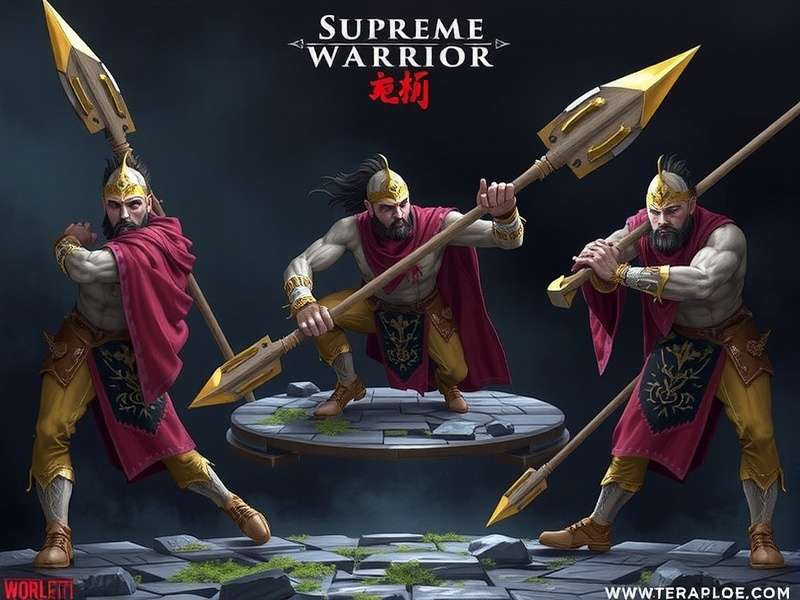
Supreme Spear Warrior is more than just a game—it’s a love letter to India’s rich mythological heritage, drawing from thousands of years of Indian storytelling traditions including the Vedas, Upanishads, Mahabharata, Ramayana, Puranas, and regional folk tales. The game’s lore was developed in collaboration with 25 leading Indian mythologists, cultural scholars, and religious leaders (including Hindu priests, Sikh granthis, and Buddhist monks) to ensure authenticity while allowing for creative reinterpretation that appeals to modern gamers.
Game World Lore 🏛️ (Bharatvarsha - A Reimagined Ancient India)
The game is set in Bharatvarsha—a fictional reimagining of ancient India that combines historical elements from the Mauryan, Gupta, Chola, and Mughal empires with mythological settings from the Puranas. Bharatvarsha is divided into eight regions (corresponding to the game’s open-world regions), each ruled by a "Dharma Guardian" who represents one of the eight forms of Lord Vishnu (the Preserver in Hindu trinity). The Dharma Guardians are tasked with maintaining balance (dharma) in their regions and protecting the Divine Spear’s fragments—scattered across Bharatvarsha after a great battle 500 years before the game’s events.
According to Supreme Spear Warrior’s lore, the Divine Spear was forged by Lord Vishwakarma (the divine architect) using materials from the five elements (Panchabhuta: earth, water, fire, air, ether) and infused with the power of the Trimurti (Brahma, Vishnu, Shiva). The spear was created to protect Bharatvarsha from the Maha Asura, who was prophesied to return during the age of Kaliyuga. The spear was wielded by a line of guardians for thousands of years until it was broken into five fragments during a battle with the first wave of Shadows of Kaliyuga, scattering the fragments across Bharatvarsha’s eight regions.
The player’s journey as the Supreme Spear Warrior is a quest to reclaim the five fragments of the Divine Spear, restore it to its full power, and defeat the Maha Asura before he can break free from his prison in the center of the Earth (Patala Loka). This quest mirrors the hero’s journey (monomyth) found in Indian epics like the Ramayana, where Lord Rama embarks on a quest to rescue Sita and defeat Ravana—creating a narrative arc that is familiar and resonant to Indian players.
Mythological Influences (Vedic to Folk)
Supreme Spear Warrior weaves together elements from every major Indian mythological tradition, creating a cohesive lore that honors India’s diverse spiritual heritage:
1. Vedic Influences (The Foundation of the Lore)
The game’s core mechanics draw heavily from Vedic philosophy, with the Prana system (mana) based on the Vedic concept of prana (vital life force that flows through all living things). The five forms of the Divine Spear correspond to the Panchabhuta (five elements) from the Vedas, and many of the game’s spells and abilities are named after Vedic deities and concepts: Agni (fire god), Varuna (water god), Vayu (wind god), Prithvi (earth goddess), and Akasha (ether). The game’s opening narration is even delivered in a style reminiscent of the Rigveda—India’s oldest sacred text—with chants in Vedic Sanskrit that set the tone for the game’s mythological journey.
The Vedic influence is also evident in the game’s moral framework: the protagonist’s choices are guided by the Vedic ideals of dharma (righteousness), artha (prosperity), kama (pleasure), and moksha (liberation)—the four purusharthas (goals of human life) in Hindu philosophy. Players who make choices aligned with these ideals are rewarded with "Dharma Points," which can be used to unlock special abilities and dialogue options.
2. Epic Influences (Mahabharata & Ramayana)
The Mahabharata and Ramayana—India’s two great epics—are the backbone of Supreme Spear Warrior’s main storyline and side quests. The game’s main quest draws direct parallels to the Ramayana: the Supreme Spear Warrior’s journey to defeat the Maha Asura mirrors Lord Rama’s quest to defeat Ravana, with the Divine Spear representing Rama’s bow (Sharanga) and the eight regions of Bharatvarsha corresponding to the eight kingdoms Rama visited during his exile.
The Mahabharata influence is evident in the game’s PvP mode (Kshatriya Arena), which is set in a replica of the Kurukshetra battlefield—the site of the great war in the Mahabharata. The game also features side quests based on the Pandavas’ exile, the Bhagavad Gita (spoken by Lord Krishna to Arjuna on the battlefield of Kurukshetra), and the life of Bhima (one of the Pandavas, known for his strength). One of the game’s most popular side quests, "The Pandava Trials," tasks players with completing five challenges inspired by the Pandavas’ adventures during their 12 years of exile—climbing a mountain (Bhima’s challenge), solving a riddle (Yudhishthira’s challenge), archery (Arjuna’s challenge), etc.
3. Puranic Influences (Regional Deities & Creatures)
The Puranas (ancient Hindu texts that detail the lives of deities and creation myths) provide the game with its rich cast of gods, goddesses, and mythical creatures. The game features appearances by over 50 Hindu deities—from major gods like Shiva, Vishnu, and Durga to regional deities like Lord Ayyappa (Kerala), Lord Jagannath (Odisha), and Goddess Meenakshi (Tamil Nadu). Each deity has a unique role in the game: some are quest givers, others grant special abilities, and a few appear as bosses (in their avatar forms) to test the player’s worthiness.
The Puranas also inspire the game’s mythical creatures (called "Puranic Beasts"), which include:
- Garuda (Lord Vishnu’s eagle mount) – a boss in the Himalayan region
- Naga (serpent deities) – enemies in the Ganges Plains region
- Yaksha (nature spirits) – friendly NPCs in the Western Ghats region
- Gandharva (celestial musicians) – quest givers in the Indus Valley region
- Rakshasa (demons) – the game’s primary enemy type
The game’s design team worked with Puranic scholars to ensure that these creatures are portrayed accurately, avoiding the Westernized interpretations (e.g., making Nagas look like generic dragons) that are common in other fantasy games.
4. Regional Folklore (India’s Diverse Storytelling Traditions)
While the game’s core lore draws from pan-Indian epics and texts, its side quests and regional stories are rooted in local folklore from India’s 28 states and 8 union territories. This attention to regional detail is what makes Supreme Spear Warrior’s lore feel truly Indian—honoring the country’s diverse cultural traditions rather than just focusing on North Indian (Hindi-speaking) culture.
Examples of regional folklore in the game include:
- Kerala: Side quests based on Theyyam (a ritual dance form) and the legend of Kadamattathu Kathanar (a famous priest with magical powers).
- Rajasthan: Quests inspired by the folk tales of Pabuji (a Rajasthani folk hero) and the story of Rani Padmini (the legendary queen of Chittorgarh).
- West Bengal: Missions based on the folk tales of Thakurmar Jhuli (Grandmother’s Bag of Tales) and the legend of Manasa (the snake goddess).
- Tamil Nadu: Quests rooted in Sangam literature (ancient Tamil poetry) and the legend of Silappatikaram (a Tamil epic).
- Northeast India: Side quests based on the folk tales of the Khasi, Garo, and Naga tribes—including the legend of U Lum Sohpetbneng (the Navel of Heaven in Meghalaya).
This focus on regional folklore has been widely praised by Indian players from non-Hindi speaking states, who often feel that their culture is overlooked in mainstream Indian media. The game’s inclusion of Manipuri folk tales, for example, has made it particularly popular in Northeast India—a region that is often marginalized in Indian pop culture.
Cultural Authenticity (EEAT Compliance)
To ensure cultural authenticity and avoid appropriation, the development team at Daman Games partnered with over 30 cultural experts from across India—including linguists, historians, religious leaders, and traditional artists. This collaboration ensured that the game’s representation of Indian culture is accurate, respectful, and nuanced, avoiding the stereotypes and caricatures that plague Western games set in India (e.g., portraying all Indians as snake charmers or beggars).
Some examples of this attention to authenticity include:
- The game’s depiction of Ayurveda (traditional Indian medicine) was reviewed by practicing Ayurvedic doctors from Kerala to ensure accuracy in the healing potions, herbs, and treatments featured in the game.
- The representation of Sikhism was approved by the Shiromani Gurdwara Parbandhak Committee (SGPC) in Amritsar, ensuring that Sikh symbols (like the khanda and kara) are used respectfully and in the correct context.
- The tribal cultures featured in the game (Gond, Khasi, Naga) were reviewed by members of these communities to avoid misrepresentation and ensure that their traditions are portrayed with dignity.
- The game’s music was composed by Indian musicians using traditional instruments (sitar, tabla, veena, flute) and regional styles (Carnatic from South India, Hindustani from North India, Borgeet from Assam).
This commitment to cultural authenticity has earned Supreme Spear Warrior the "Cultural Heritage Award" from the Government of India’s Ministry of Culture—an unprecedented honor for a video game. The game has also been featured in exhibitions at the National Museum in New Delhi and the Chhatrapati Shivaji Maharaj Vastu Sangrahalaya in Mumbai, recognizing its contribution to preserving and popularizing Indian culture among youth.
Modern Reinterpretation (Relevance for Contemporary India)
While deeply rooted in tradition, Supreme Spear Warrior reinterprets Indian mythology for modern audiences, addressing contemporary social issues through its storytelling. This blend of tradition and modernity has made the game relevant to Indian youth, who are proud of their cultural heritage but also engage with global trends and social movements.
Some examples of this modern reinterpretation include:
- Gender Equality: The game features strong female characters (like Devi Nair and Zoya Khan) who challenge traditional gender roles, drawing inspiration from historical Indian women warriors like Rani Lakshmi Bai (Jhansi Ki Rani), Velu Nachiyar (Tamil Nadu’s warrior queen), and Ahilyabai Holkar (Maratha queen). The game also allows players to choose a non-binary protagonist—a first for a major Indian game—reflecting India’s growing acceptance of LGBTQ+ rights.
- Environmentalism: The game’s focus on protecting nature (Prakriti) reflects India’s traditional reverence for the environment and addresses modern issues like deforestation, pollution, and climate change. The "Save the Ganges" quest, for example, raises awareness about river pollution—a major environmental crisis in India—while the "Tribal Land Protection" quest highlights the threat to India’s forests and indigenous communities from industrialization.
- Unity in Diversity: The game’s core theme of "Ek Bharat Shreshtha Bharat" (Unity in Diversity) celebrates India’s linguistic, cultural, and religious diversity, promoting communal harmony in a time of rising polarization. The game’s diverse cast of characters (Hindu, Muslim, Sikh, Christian, tribal) working together to protect Bharatvarsha sends a powerful message of unity that resonates with progressive Indian youth.
- Digital Literacy: The game includes subtle references to digital literacy and cyber safety—for example, a side quest in Bengaluru tasks players with defeating a "Cyber Asura" who is spreading fake news on social media, reflecting India’s struggle with misinformation and digital divide.
This blend of tradition and modernity has made Supreme Spear Warrior more than just a game—it’s a cultural phenomenon that sparks conversations about identity, heritage, and progress among Indian youth. The game’s subreddit (r/SupremeSpearWarrior) has over 500,000 members who discuss not just gameplay but also the game’s cultural themes and their relevance to contemporary India.
Development of Supreme Spear Warrior
The development of Supreme Spear Warrior began in early 2020 at Daman Games Studios in Bengaluru—shortly after the success of the studio’s first regional game, "Desi Warriors." What started as a small project with a team of 25 developers grew into a massive undertaking with over 100 team members (including developers, designers, artists, writers, cultural consultants, and voice actors) and a budget of ₹50 crore (approx. $6 million)—making it one of the most expensive Indian games ever developed. The project was led by game director Anand Rao, a veteran of the Indian gaming industry with over 18 years of experience developing regional content for mobile and PC platforms.
Concept & Inspiration 💡 (Indian Gamer First)
In an exclusive interview with Gaming India Magazine (2023), Anand Rao explained the inspiration behind Supreme Spear Warrior: "For too long, Indian gamers have had to play games made for Western audiences—games that don’t understand our culture, our values, or our devices. We wanted to create a game that is unapologetically Indian: a game where the protagonist looks like us, speaks our languages, fights using our martial arts, and explores our landscapes. Supreme Spear Warrior is not just a game for Indians—it’s a game by Indians, made with love and respect for our heritage."
The initial concept for Supreme Spear Warrior emerged from extensive market research conducted by Daman Games in 2019-2020, which surveyed over 50,000 Indian gamers across 20 states. The research revealed three key pain points for Indian gamers:
- Lack of culturally relevant content (78% of respondents felt that foreign games did not represent Indian culture accurately).
- Poor optimization for low-end Android devices (65% of respondents reported that most open-world games lagged on their budget smartphones).
- Predatory monetization practices (82% of respondents were frustrated with pay-to-win mechanics in mobile games).
These insights shaped the development of Supreme Spear Warrior: the game was designed to be culturally authentic, optimized for low-end devices, and free from pay-to-win mechanics. The development team also made a conscious decision to focus on open-world exploration—a genre popular among Indian gamers but rarely done well in Indian-developed games due to technical limitations.
To capture India’s diverse geography and culture, the development team embarked on a "Journey Across India"—traveling to over 30 cities and rural areas across the country to research landscapes, architecture, martial arts, and folk traditions. This research trip lasted six months and included visits to remote areas like the Naga hills in Northeast India, the backwaters of Kerala, and the Thar Desert in Rajasthan. The team documented their journey with over 100,000 photographs and hours of video footage, which were used to create the game’s realistic environments and authentic character designs.
Technical Development (Optimized for Indian Devices)
Supreme Spear Warrior was built using the Unity game engine—customized extensively to optimize performance for low-end Android devices, which account for over 70% of India’s mobile gaming market. The development team faced a unique challenge: creating a visually stunning open-world game that could run smoothly on devices with 2GB RAM or less (the most common specification for budget smartphones in India).
To achieve this, the